
Alaska-What Type of Cruiser are You?

When you picture an Alaska cruise, what comes to mind first? A glacier calving into the water? A whale surfacing beside a tour boat? A zipline through the rainforest? Or a chance to learn about the people who call Alaska home? Your answer can help you choose an itinerary and decide where to spend your excursion budget.
Alaska is my favorite cruise destination, especially for the wildlife. But the trip I would choose may look different from yours. Before comparing ships and fares, it helps to think about what you most want to experience.
Why Choose an Alaska Cruise?
An Alaska cruise lets you visit several coastal communities while keeping the same room throughout the trip. Depending on your itinerary and excursions, you can experience:
Diverse Landscapes: Mountains, fjords, temperate rainforests, and glaciers.
Wildlife Encounters: Opportunities to see whales, bears, eagles, and other wildlife in their natural habitats.
Cultural Experiences: Opportunities to learn about Alaska Native peoples, their histories, and their living cultures.
Outdoor Activities: Kayaking, hiking, fishing, and other excursions available in selected ports.
Four Types of Alaska Cruisers
You may recognize yourself in more than one of these groups. Most of us do. The point is to identify your priorities so you can choose a trip that gives you time for the things you care about most.
Cruiser Type | What Draws You In | What to Check Before Booking |
|---|---|---|
Glacier | Blue ice, glaciers, and scenic cruising | Named glacier visits and scenic cruising days |
Wildlife | Whales, bears, birds, and marine life | Tour location, season, and time for wildlife viewing |
Adventure | Kayaking, hiking, ziplining, and exploring | Activity requirements, port time, and excursion costs |
Cultural | Local history, Alaska Native cultures, art, and food | Locally led experiences and time to explore communities |
1. Glacier Cruisers: Ice, Ice, Baby!

Glacier cruisers have a lifelong fascination with ice and icebergs. They want to watch a wall of blue ice rise above the water and listen for the crack of a glacier calving. If that sounds like you, look closely at the itinerary's scenic cruising days. Two places worth comparing are:
Hubbard Glacier: A tidewater glacier known for its blue ice and calving activity. How close a ship can approach depends on conditions, so a scheduled visit does not guarantee a close view or a calving event.
Glacier Bay National Park and Preserve: A protected landscape of tidewater glaciers, mountains, and wildlife. The park limits cruise ship entries to no more than two per day. If Glacier Bay is a priority, check the specific sailing rather than assuming every Alaska itinerary includes it.
2. Wildlife Cruisers: Born to Be Wild!
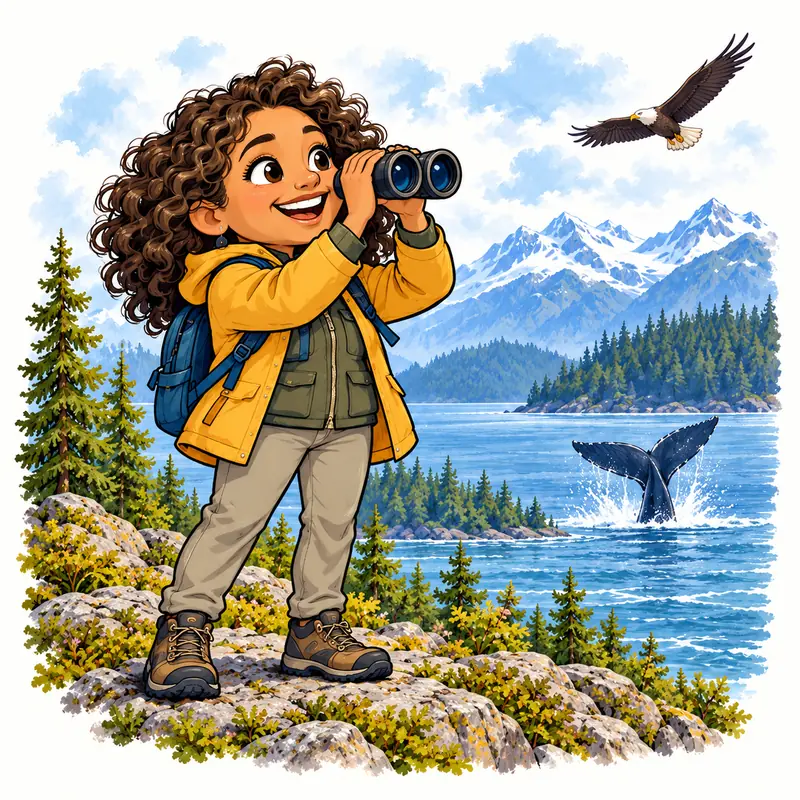
Wildlife cruisers are animal lovers. They are hoping for a photo of a whale breaching, an eagle overhead, or a bear catching salmon. I understand that appeal. Wildlife is one of the reasons I keep wanting to return to Alaska. Depending on the location, season, and tour, you may have opportunities to see:
Whales: Humpback whales feed in Alaskan waters during the summer, and orcas may also be seen. A dedicated whale-watching excursion gives you more time to look than a brief sighting from a passing cruise ship.
Bears: Brown bears and black bears may be seen on suitable viewing excursions. The location and timing of salmon runs can affect your chances.
Birds: Bald eagles, puffins, and other seabirds, depending on where you travel.
Sea Lions and Seals: Look for them resting on rocks, buoys, or floating ice, depending on the species and location.
Fishing: In some ports, you can book a fishing charter. Some operators can arrange processing, freezing, and shipping for fish you are permitted to keep. Confirm the fishing license requirements, catch limits, and additional costs before booking.
Alaska cruise advertising often features spectacular wildlife photography. It can leave you expecting an animal around every corner. On my first trip to Alaska, I wanted to see a bear. I looked everywhere. On my final day on the ride to the airport I finally saw one run across the road. Sometimes you do get lucky, but wildlife viewing also takes patience, quiet, and attention. Choose an excursion designed around the animals you want to see, and remember that sightings are never guaranteed.
3. Adventure Cruisers: Life in the Fast Lane

Adventure cruisers want to get moving. These are the zipliners, hikers, and climbers who would rather spend a port day doing something active. Alaska offers plenty of choices, but read the activity requirements before booking. Options may include:
Kayaking: Paddle coastal waters with a guide, with routes and difficulty levels that vary by location and conditions.
Hiking: Choose a guided walk or hike that matches your fitness, mobility, and comfort on uneven terrain.
Helicopter Rides and Glacier Dog Sledding: Some tours combine a helicopter flight with a glacier landing and a dog sled ride. Check exactly what is included, along with weight limits and other requirements. Weather can affect flights and landings.
Ziplining: Travel through the canopy of Southeast Alaska's temperate rainforest on a guided course.
Riding the Rails: In Skagway, the White Pass & Yukon Route offers mountain scenery, waterfalls, and Gold Rush history. This can be a good option when you want to explore while seated rather than take a strenuous excursion.
4. Cultural Cruisers: We’re Only Human
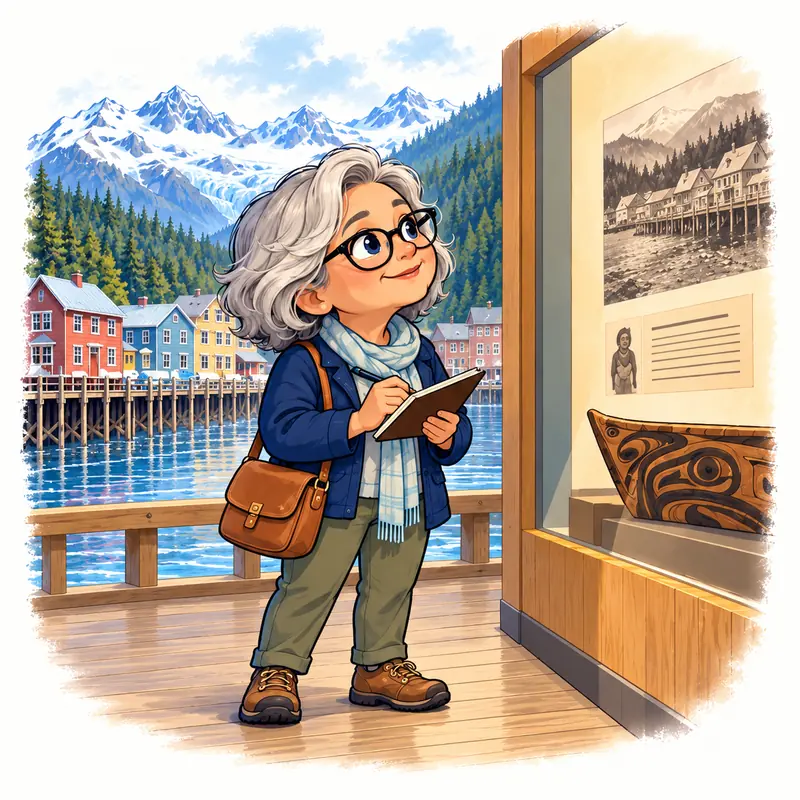
Cultural cruisers want to learn about the history, people, art, and food of the places they visit. In Alaska, that can mean learning about Alaska Native communities as they are today, as well as their histories. Look for experiences led by local people and Alaska Native guides or organizations when available.
Activities may include:
Cultural Performances: Attend music, dance, or storytelling presentations offered by local cultural organizations.
Historical Tours: Explore local history, including Alaska Native perspectives, the Gold Rush, and the effects of colonization.
Art Workshops: Learn about local art and craft traditions through a workshop or artist demonstration.
Culinary Activities: Visit a salmon bake, try locally available seafood, or sample an Alaskan beer. Ask what is locally sourced if that matters to you.
Planning an Alaska Cruise That Fits You
Once you know what interests you most, use those priorities to compare dates, itineraries, ships, and excursions.
Choose the Right Time to Go
Many Alaska cruises operate from May through September, with some sailings outside those months. There is no single best month for everyone. Daylight, weather, crowds, wildlife activity, and tour availability vary by location and season:
May: Often worth considering for a trip before the busiest summer period. Check whether your preferred tours are operating.
June: Long daylight hours give you more time to enjoy the scenery. Whale watching is already possible earlier in the season, so June is not its starting point.
July: A popular summer travel month with long days. Book important excursions early rather than counting on last-minute availability.
August: Worth researching if fishing or salmon-related wildlife viewing is a priority. Run timing depends on the species and location.
September: May appeal if you prefer later-season travel. Expect shorter days and check tour schedules, especially toward the end of the month.
Choose the Itinerary and Ship Together
Your cruiser type does not lock you into a particular cruise line. A traveler on a large ship can still book a demanding hike, and an expedition cruise can include time for cultural visits. Compare how the trip operates, what is included, and how long you will have in each place:
Lindblad Expeditions: Consider an expedition approach if naturalist-led exploration and learning are central to your trip. Compare the activities and inclusions on the specific sailing.
HX: Offers Alaska expedition itineraries with activities such as small-boat exploration, hikes, and kayaking, subject to the itinerary and conditions.
Princess Cruises, Holland America Line, and Celebrity Cruises: Compare their Alaska itineraries, onboard programs, and excursion choices. If you also want inland travel, investigate cruise-and-land packages.
Carnival, Norwegian Cruise Line, Royal Caribbean, and MSC Cruises: Include these lines when comparing Alaska sailings, onboard activities, and fares. The lowest total cost depends on your dates, cabin, and what you add to the trip.
Pack for Your Plans
Start with the activities you have booked and the operator's packing guidance. For many Alaska trips, useful items include:
Waterproof Jacket: Bring protection from rain, especially for time outdoors.
Layers: Pack clothing you can add or remove as temperatures and conditions change.
Comfortable Footwear: Choose shoes or boots suited to your excursions, and break them in before the trip.
Binoculars: Useful for looking for wildlife from the ship or shore.
So, What Type of Cruiser Are You?
You do not have to choose just one type. You might spend one day watching whales, another learning about Alaska Native art, and the next looking out at a glacier. Decide which experiences matter most, then build the rest of the trip around them.
I would start by picking your top two priorities and looking for an itinerary that gives you time for both. Leave room in the budget for the excursions you care about, and remember that you can enjoy Alaska without filling every port day with an expensive tour.
Tell me what you hope to see and do, and we can compare the options together.
Complete the Booking Request form at https://myatlasgo.com/form/atlas-2854c3 or reach out to Mark Carpenter with your questions at Mark@SeasSummitsSkies.com.